





Is your garden suffering from pests or plant damage?
Damage in the garden is rarely accidental. Eaten leaves, disappearing plants, or mysterious bare patches usually have a cause that you don't immediately see. On this page, you'll discover which pest is associated with which damage and how to get rid of it quickly and without pesticides.
Protect your garden with the right nematodes





What pest does your garden have?
Garden pests come in all shapes and sizes. Sometimes you see them immediately, sometimes you only notice the damage. These are the most common culprits in Dutch gardens.
- Ants - Ants themselves are not directly harmful, but they dig nests under tiles and in borders and protect aphids from natural enemies. The latter is indirectly a major problem for your plants.
- Slugs - Especially slugs feed on leaves, stems and young plants at night. In damp weather, they can cause significant damage in a short time.
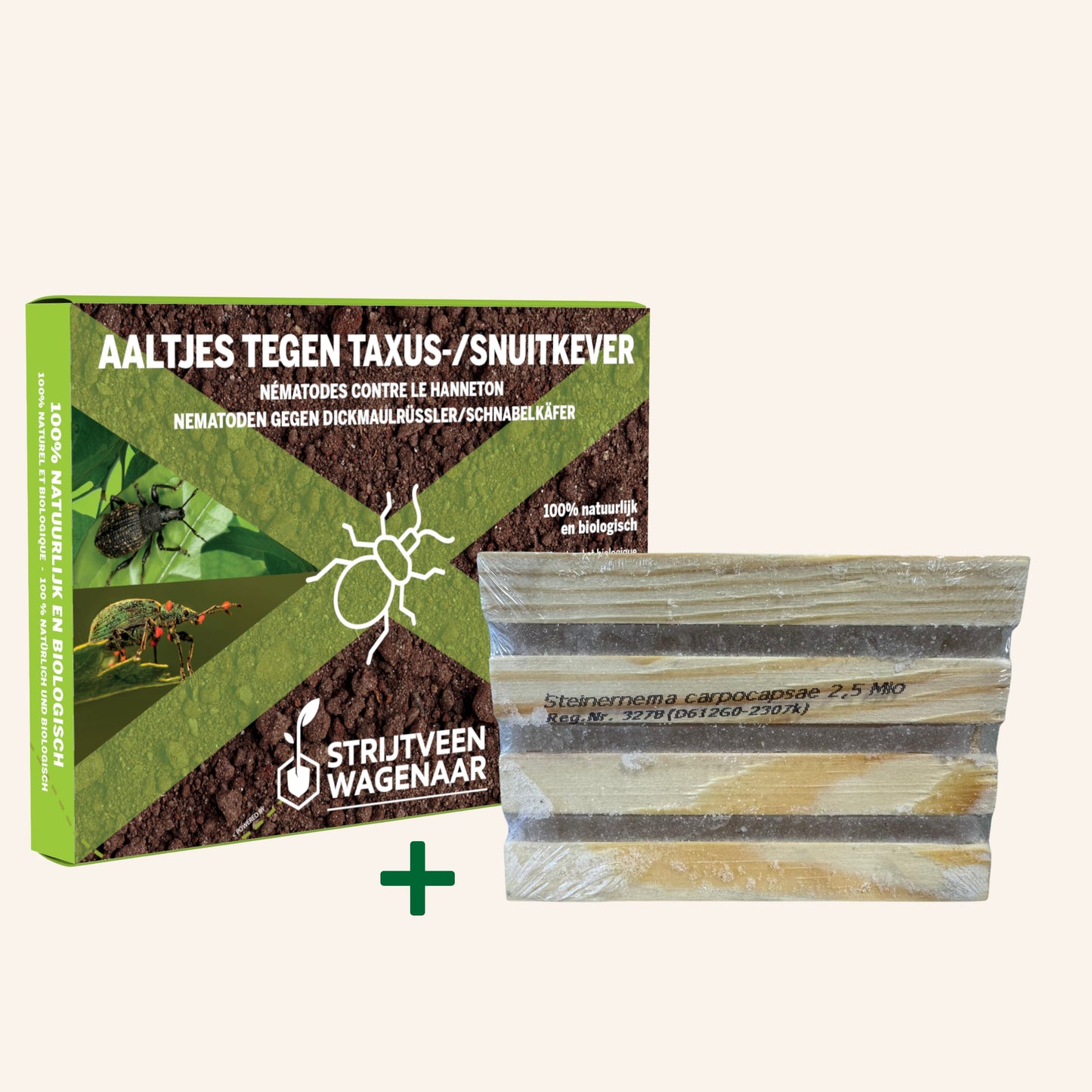
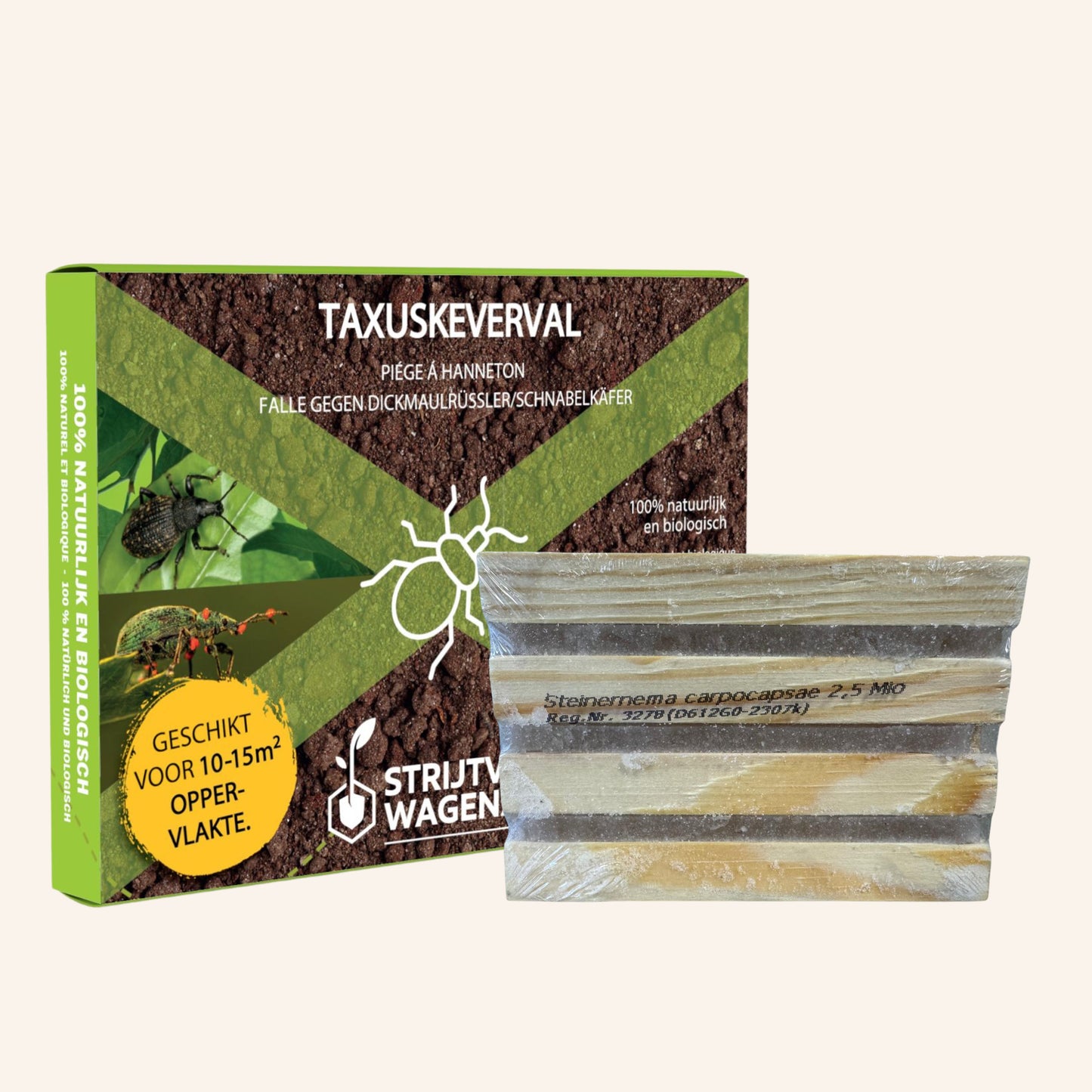
- Vine weevils - The adult beetle feeds on leaf edges at night, but the larvae in the soil are the real problem. They gnaw through the roots, causing plants to suddenly die.
- Caterpillars - Caterpillars feed on leaves and can defoliate plants and shrubs in a short time. The oak processionary caterpillar is a well-known culprit with additional risk due to its stinging hairs.
- Box tree moth - The larvae of the box tree moth defoliate your boxwood from the inside out. Recognizable by the fine web threads between the branches and the rapidly enlarging bare spots.

Nematodes for a healthy garden
Nematodes are microscopic roundworms that naturally live in the soil. They seek out larvae and other insect pests, penetrate them, and stop the pest. No poison, no fuss. Just nature doing its work, even in your garden.
Recognizing Lawn Pests


How do you use nematodes in your garden?
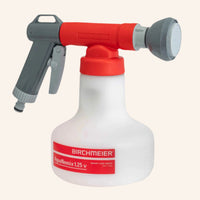
Applying nematodes is easier than it sounds. Dissolve them in water, fill a watering can or garden sprayer, and apply them evenly over the affected area in your garden. Make sure the soil is moist before and after application; this way, the nematodes will quickly penetrate the soil and immediately start working.
Frequently asked questions
Yes. Nematodes are a proven biological method to control larvae and pest insects in the soil. They actively seek out the pest and kill it without toxins or chemicals, safe for your garden and the rest of the ecosystem.
The first results are often visible within 2 to 4 weeks. How quickly depends on the pest and the severity of the infestation. The soil and crop then gradually recover.
In case of severe infestation, or if the pest returns, a repeat treatment is recommended. Some pests, such as slugs and ants, require a more regular approach, depending on the season.
Yes, completely. Nematodes occur naturally in the soil and pose no risk to humans, animals, plants, or beneficial insects like bees and earthworms.
That depends on the pest. The soil temperature must be at least 12 degrees for the nematodes to work properly. Check the current soil temperature via the KNMI.
That depends on the surface area and the pest. On our product page, you can find exactly how much you need for your situation for each product.
