






Does your lawn have yellow patches, bare spots, or is it suddenly growing poorly?
Damage to your lawn is rarely a coincidence. Grass that grows poorly, comes loose or turns yellow usually has an underlying cause. On this page, you can see which pest is responsible for which type of damage, and how to get rid of it quickly and without using pesticides.
Protect your lawn with the right nematodes


Which lawn pest does your grass have?
Lawns take a beating. Beneath the surface, larvae feast on the roots, while from above you only see the grass deteriorating. These are the most common culprits.
- Wiesenschnakenlarven - The larvae of the crane fly feed on grass roots just below the surface. Recognizable by yellow patches that grow larger, especially in autumn.
- Chafer grubs - The larvae of the May beetle do the same, but deeper and with more damage. Grass detaches from the ground and birds actively peck at the lawn.
- Ticks & fleas - Less visible, but annoying. Especially a problem if you have pets in the garden.
- Earthworms - Not harmful, but the worm castings can make your lawn look unsightly and attract birds that then cause damage.
- Moles - Do not cause root damage, but the molehills ruin your lawn and make the surface uneven. Recognizable by the fresh mounds of earth.

Nematodes for a healthy lawn
Nematodes are microscopic roundworms that naturally live in the soil. They seek out larvae, penetrate them, and stop the pest. No chemicals, no fuss. Just nature doing its work, even under your lawn.
Recognizing Lawn Pests


How do you use nematodes in your lawn?
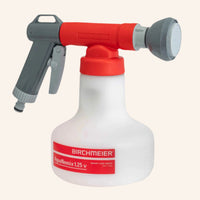
Applying nematodes is easier than it sounds. Dissolve them in water, fill a watering can or garden sprayer, and apply them evenly over the lawn. Ensure the soil is moist before and after application; this way, the nematodes quickly penetrate the soil and start working immediately.
Frequently asked questions
a. Nematodes are a proven biological method for controlling larvae in the soil. They actively seek out and eliminate the pests without poisons or chemicals.
That depends on the pest. The best time to combat leatherjackets is in autumn, and grubs in spring or autumn. Most nematodes work best at a soil temperature of at least 12 degrees Celsius. Check the current soil temperature via the KNMI.
The first results are often visible within 2 to 4 weeks. The grass then gradually recovers, depending on the extent of the damage.
In case of severe infestation or if the pest returns, a repeat treatment is recommended. An annual preventive treatment keeps your lawn structurally healthy.
fully. Nematodes are naturally present in the soil and pose no risk to humans, animals, or other insects.
That depends on the surface area. On our product page, you'll find exactly how much you need for your situation for each product.
